Smart India Hackathon 2025 · 2025
Matching students to internships fairly, with a reason for every match
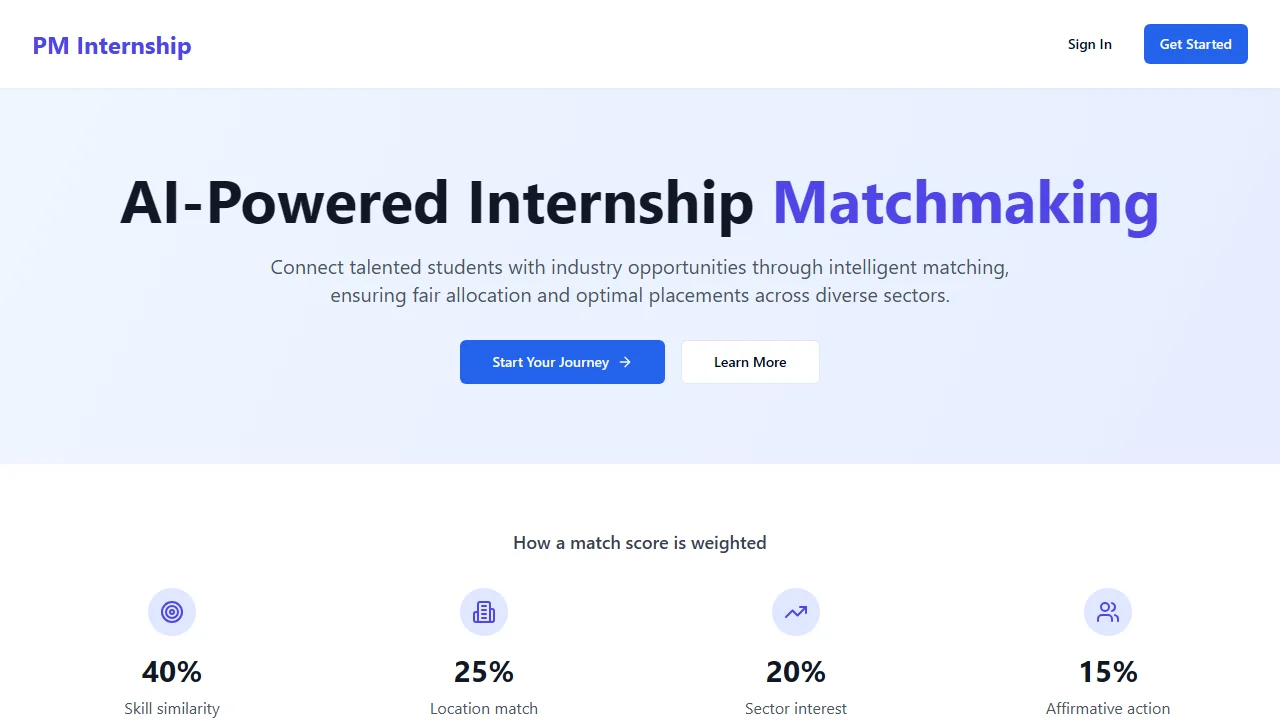
A matching platform built for the Smart India Hackathon 2025 PM Internship Scheme problem statement. It scores every student against every open internship on skills, location, sector interest and an affirmative-action component, and returns each match with its component scores and the reasons behind it.
- For
- Smart India Hackathon 2025
- Role
- Solo build: design and engineering
- Year
- 2025
- Industries
- AI & Automation, Public Sector, Education
Overview
The PM Internship Scheme has to place very large numbers of students with companies across India. Doing that by hand is slow, and doing it by a single score is unfair: a student from a rural district or an under-represented group starts from further back.
I built this for the scheme's Smart India Hackathon problem statement. It ranks internships for a student and candidates for a company, shows how each score was reached, and gives administrators a report on whether selections are coming out evenly.
The problem
- Matching by hand does not scale, and keyword filters miss students whose skills are described differently.
- A ranking nobody can explain is hard to trust, for the student who was passed over and for the administrator who has to answer for it.
- A scheme with a fairness mandate needs that fairness built into the score and checked afterwards, not added as a note.
What it had to do
- Every match shows its component scores and plain-language reasons.
- Fairness is part of the score, capped so it can lift a candidate but never outweigh skills.
- Companies never see a candidate's protected details.
- Administrators can see selection rates by group and be warned when they drift apart.
How I built it
A score made of four parts
Each student and internship pair gets a score out of 100: skill similarity 40%, location 25%, sector interest 20% and an affirmative-action component 15% for rural students, SC, ST, OBC and EWS categories, women and students with a disability.
Skills compared as text, not keywords
Skill lists are compared with TF-IDF and cosine similarity by default. Sentence embeddings can be switched on for closer matching of differently worded skills, without making them a requirement to run the service.
Reasons returned with every result
The service returns the four component scores with strengths, considerations and suggestions, so a student sees why an internship ranked where it did.
Fairness checked after the fact
An admin report compares selection rates by rural or urban background, social category and gender, and flags gaps past fixed thresholds. Candidate lists sent to companies leave out email, social category, rural flag and gender.
Three services, each tested alone
A Flask matching service, an Express and PostgreSQL API with role-based access, and a React front end. The scoring and the API are covered by unit tests that run without a database.
What shipped
- A matching service with two endpoints: ranked internships for a student and ranked candidates for an internship.
- A REST API with 31 routes for students, companies and administrators, with JWT sign-in, input validation and rate limiting.
- 22 screens across student, company and admin dashboards.
- A fairness report, CSV and PDF export, Docker Compose setup and written documentation of the scoring model.
What came of it
- 210 automated tests: 124 for the matching service and 86 for the API.
- Open source on GitHub under the MIT licence, with the scoring model documented.
- Rebuilding it for release fixed real faults in the hackathon version, including a fairness weight that was worth a fifth of what was intended.
What it does not do
- The front end runs on demo data in the browser. It is not yet connected to the API.
- The weights are chosen by hand. They have not been tuned against real placement outcomes.
- It is a hackathon build. It has not been deployed or used by real applicants.
Built with
Useful?
Have something like this to build?
Built by Vivek Bhange, Full-Stack AI Engineer in Pune, India. Open for freelance and collaboration.
More work
See all work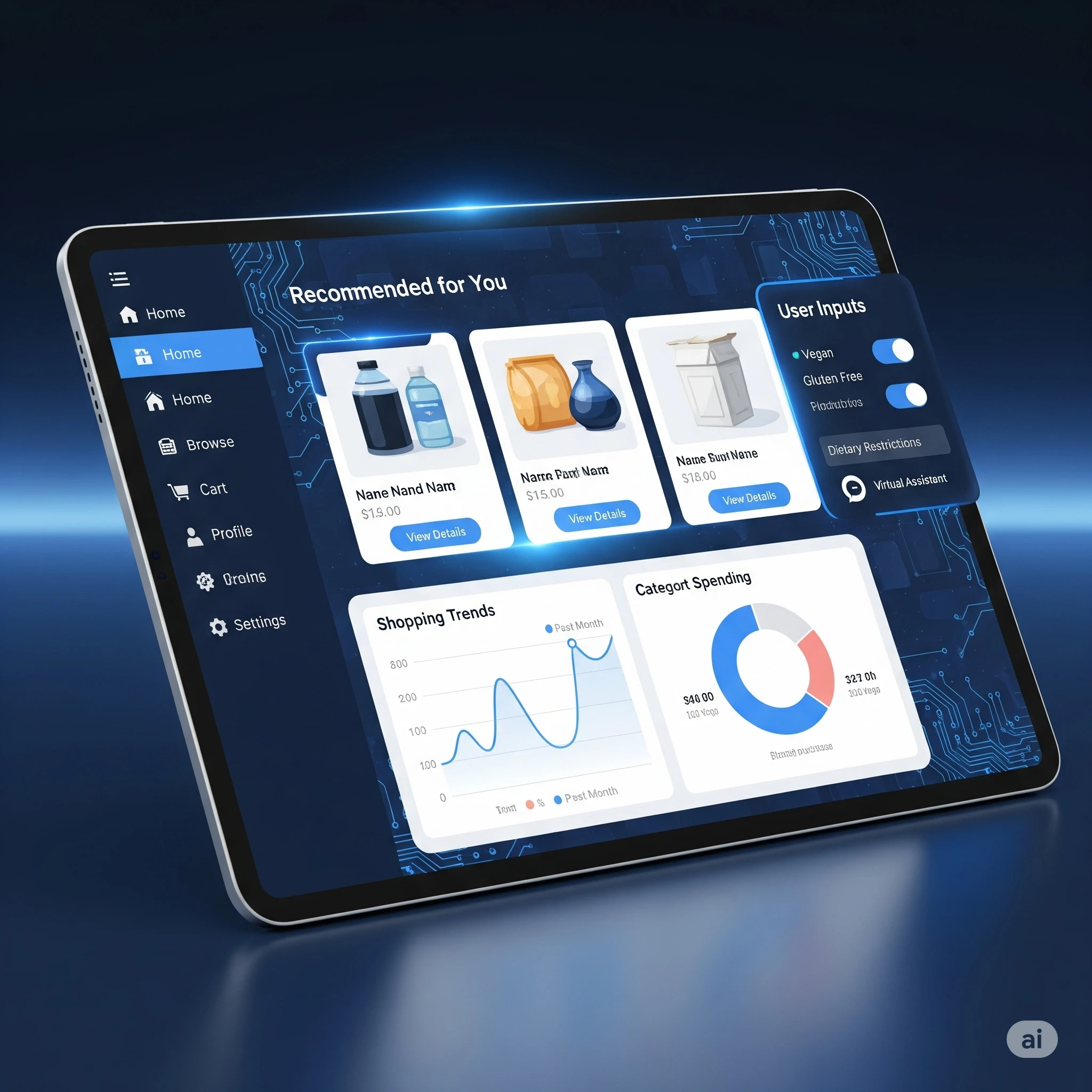
Personal · 2025
A content-based product recommender small enough to read in one sitting
A small recommender that suggests the three products most similar to the one you pick.
- AI & Automation
Open source · 2026
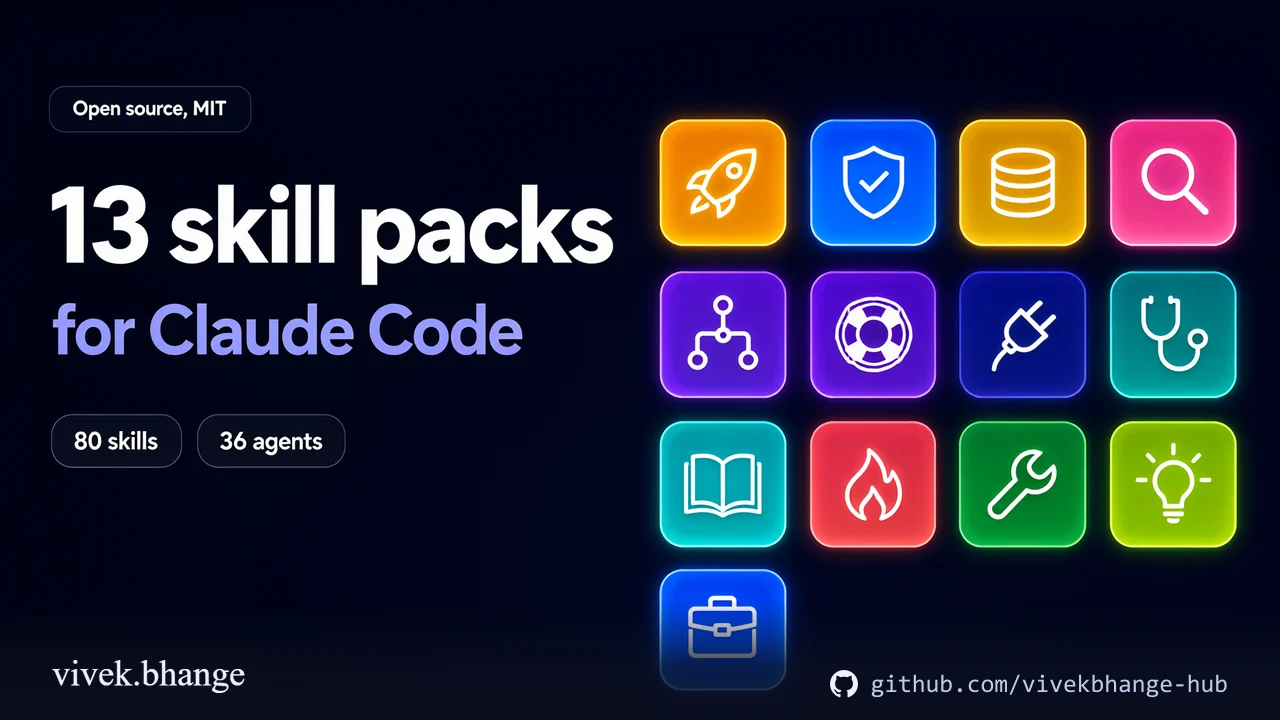
Thirteen open-source skill packs that make Claude Code check its own work
Thirteen open-source skill packs for Claude Code, MIT licensed, with 80 skills and 36 agents.
- Developer Tools
- AI & Automation
Open source · 2026
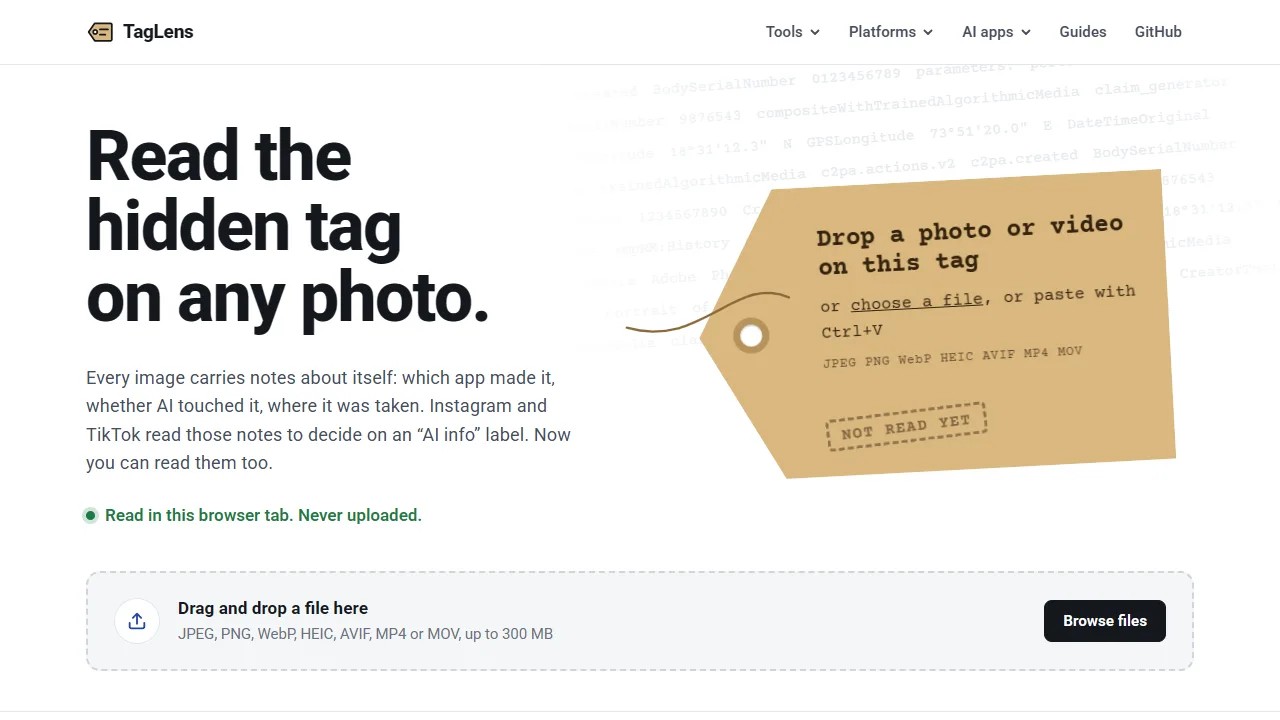
An in-browser tool that reads the hidden tags behind "AI info" labels
A free, open-source tool that shows why a photo gets an "AI info" label.
- Developer Tools
- AI & Automation